You get one shot to make your Palo Alto home shine. In a market where buyers scroll fast and decide even faster, the right prep can mean a stronger price, shorter market time and cleaner terms. If you want a top‑tier result without months of disruption, focus on what buyers here value most and how your home looks in the first 10 seconds online. In this guide, you’ll learn which improvements deliver, how to time your launch and what to expect with permits and local fees. Let’s dive in.
Palo Alto market at a glance
Palo Alto remains one of the highest priced single‑family markets in the country. Local reporting shows a citywide median in the high single‑million to low multi‑million range in 2025, with premium areas like Old Palo Alto and Crescent Park trading much higher, about $6 million that year. Recent neighborhood coverage also notes a larger share of luxury and ultra‑luxury activity, which signals strong demand for move‑in‑ready homes.
Different portals display different price snapshots for Palo Alto at any given time. For example, Zillow’s home value index has hovered in the low $3 million range in some recent periods, and monthly median sale figures reported by others can swing. Check broad indicators on Zillow’s Palo Alto page or Redfin’s city summary, then rely on fresh MLS comps for your exact neighborhood when you set pricing.
What top buyers expect
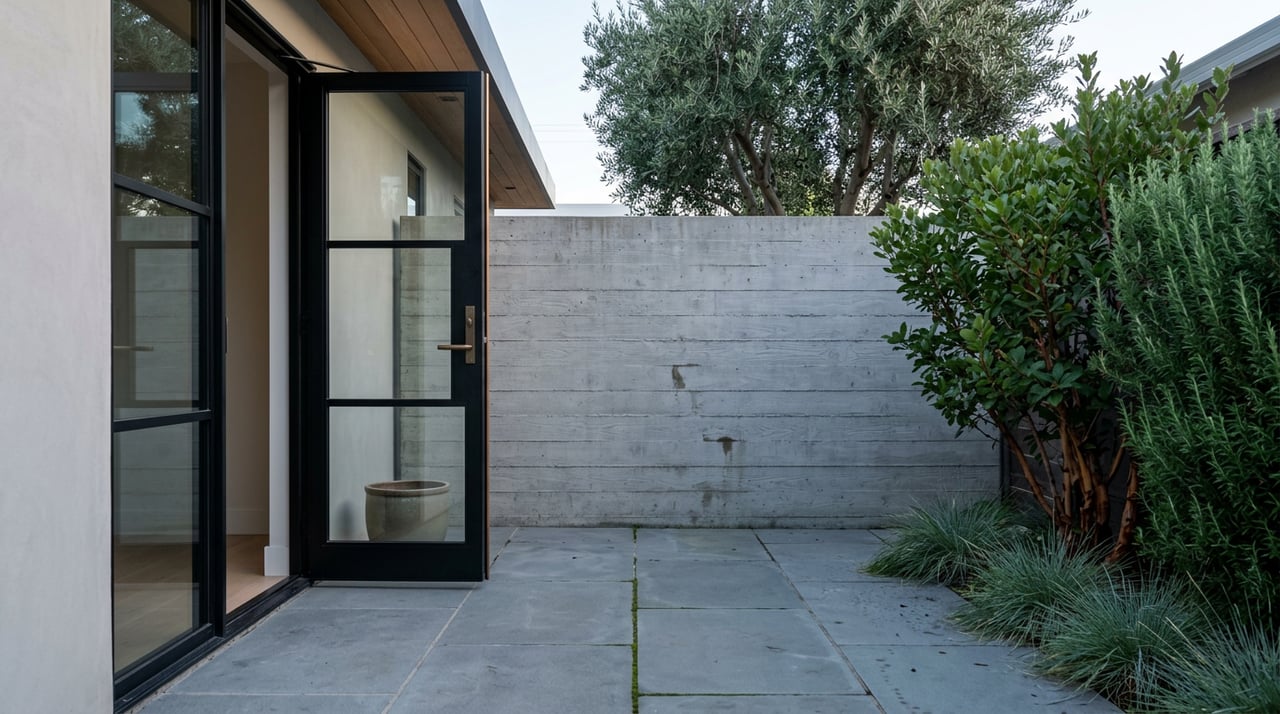
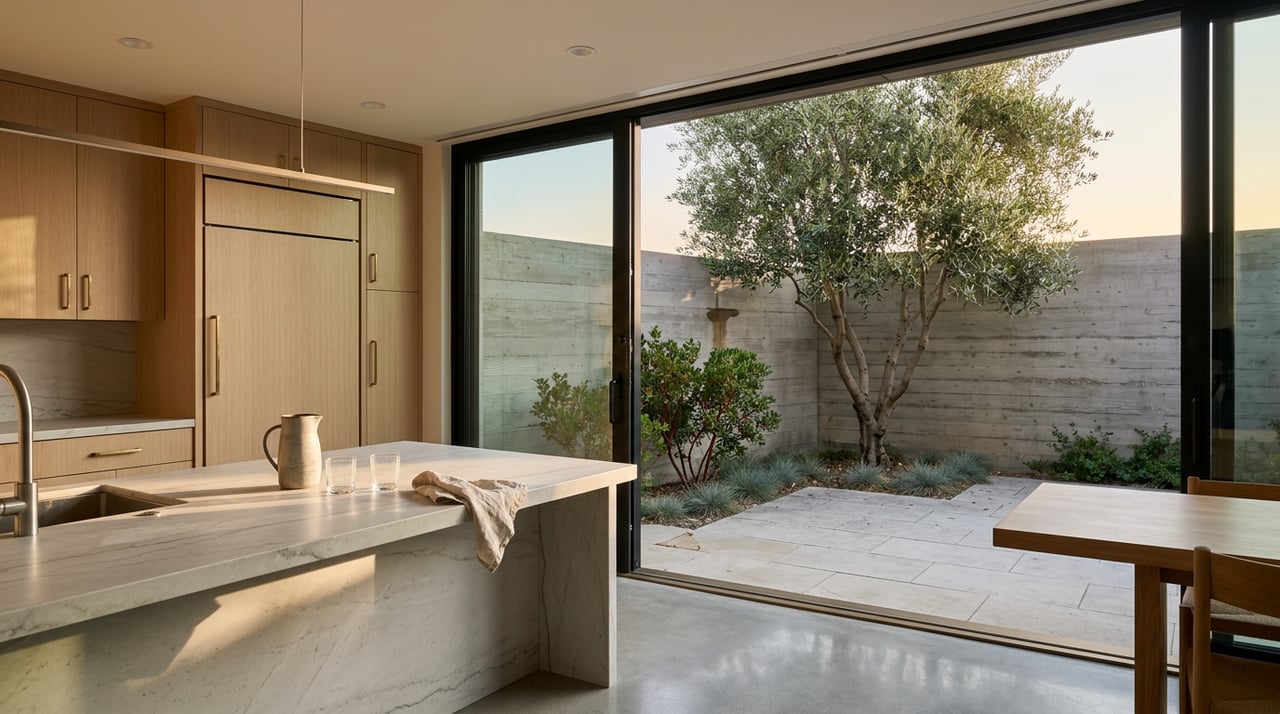
Many Palo Alto buyers are time‑constrained professionals tied to tech and Stanford. They want turnkey quality, privacy, mature landscaping and seamless indoor and outdoor living. Features that move behavior nationally also matter here: updated kitchens and bathrooms, reliable systems, a functional home office, and energy or EV readiness. National remodeling research highlights these as high‑demand elements that help listings attract attention and offers. See the NAR Remodeling resources for context.
School options are part of the value picture for many buyers. Palo Alto Unified is frequently cited in local listing narratives. For neutral context on district information, review the PublicSchoolReview summary for Palo Alto Unified.
Upgrades that move the needle
The fastest path to strong offers is simple: handle the high‑perceived‑value, photo‑friendly work first. In Palo Alto, that usually means paint, floors, lighting, curb appeal and targeted kitchen or bath touch‑ups. Large additions take more time and often recover a lower percentage of cost at resale unless your comps support it.
Start with fast, high‑ROI refreshes
- Whole‑house neutral paint, serious decluttering and a professional deep clean make your photos pop and reduce buyer friction. Industry data shows these basics are the foundation of effective presentation, and the NAR 2025 staging report highlights how prepared homes sell faster and for more.
- Brighten rooms with updated bulbs and a few well‑chosen fixtures. Good light reads as quality in photos and during showings.
Elevate curb appeal and lighting
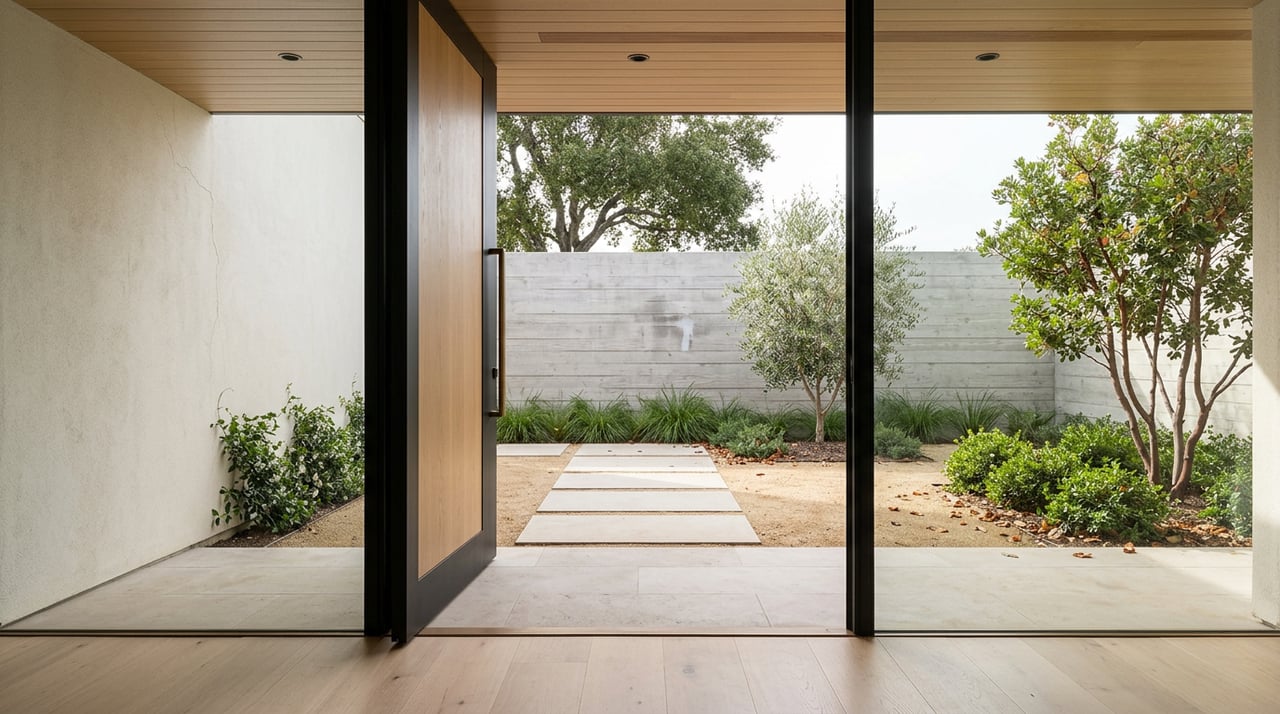
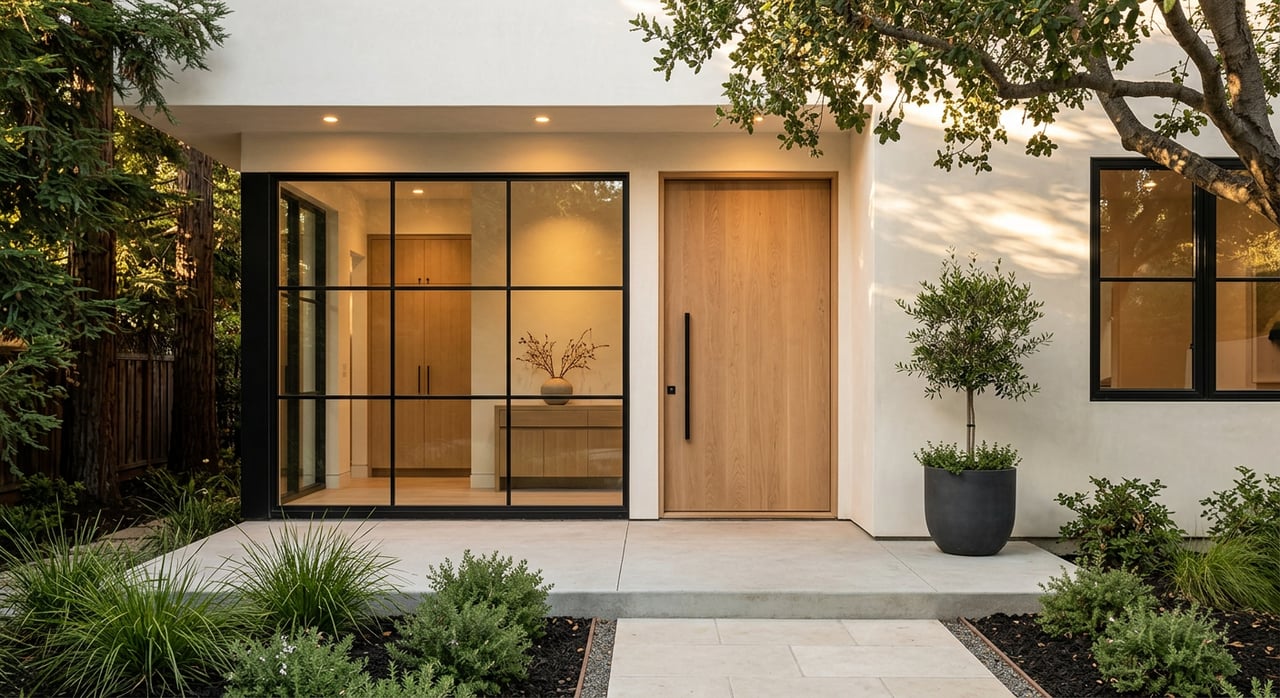
- Entry and garage doors are small projects with outsized impact. In the Pacific region, these rank near the top for cost recovery on the Cost vs. Value report. If yours look dated, swapping them can sharpen first impressions fast.
- Refresh flooring. Refinish hardwoods where practical or replace worn carpet in key rooms. Visible surface upgrades often show strong returns in buyer interest, per the regional Cost vs. Value data.
Kitchen and bath, not a gut
- A minor kitchen remodel can go a long way. Think new counters, refaced or repainted cabinets, modern hardware, a sleek faucet and a panel‑ready or stainless appliance upgrade. The Pacific region’s Cost vs. Value analysis shows midrange kitchen projects often recover a strong share of cost.
- Bathrooms respond well to midrange updates too. New tile, lighting, fixtures and fresh grout or caulk present as clean and current. The NAR Remodeling guidance supports the value of these practical updates without overbuilding.
When to consider major work
Additions or large structural changes take months and usually return a lower percentage of cost. Only pursue them if your agent’s MLS comps show your block can absorb the spend. Use the regional Cost vs. Value benchmarks as a gut check, then make a decision based on appraisal ceilings for your specific neighborhood.
Presentation that sells
Stage the spaces buyers value
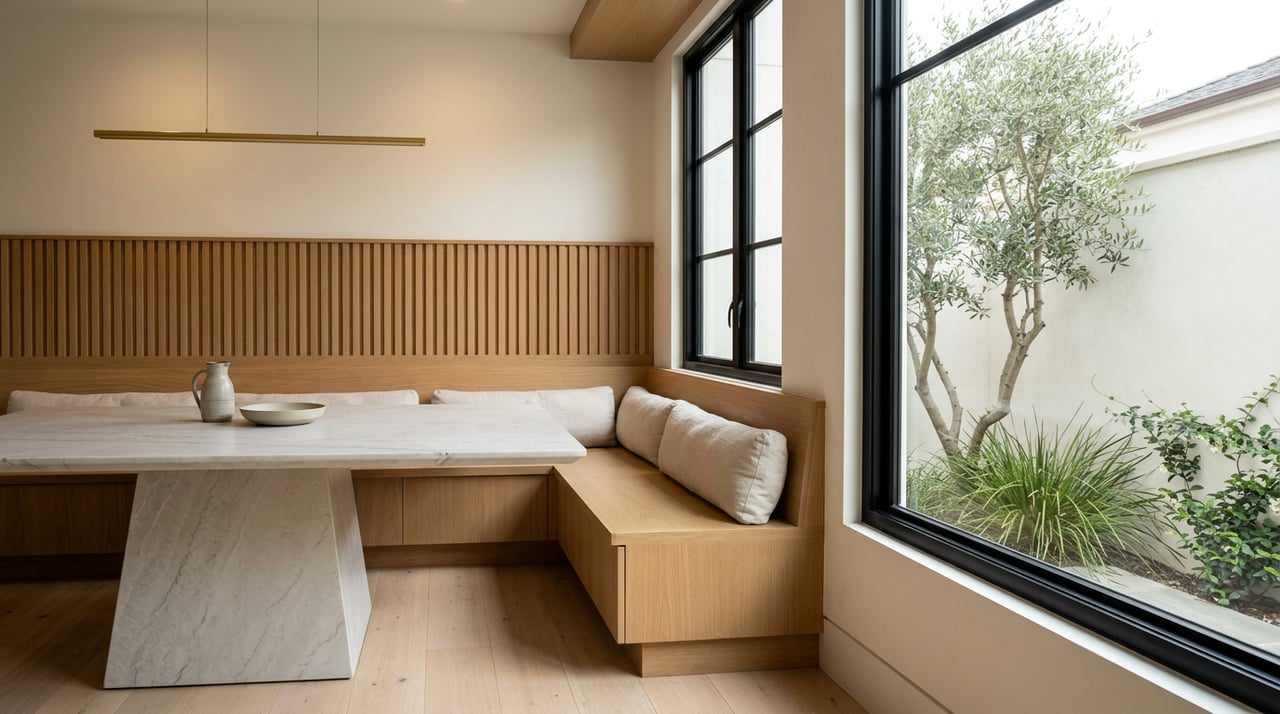
Staging is one of the most reliable ways to lift offers and reduce time on market. In NAR’s 2025 findings, agents reported a 1 to 10 percent price impact for staged homes and widespread reductions in days on market. Prioritize the living room, kitchen and the primary suite for maximum effect. Review the NAR staging summary for what buyers notice most.
Photos and 3D tours
Your first showing happens online. Book professional photography and capture a 3D walkthrough when staging is in place. In tech‑heavy markets like Palo Alto, 3D tours drive qualified remote traffic and higher engagement. Industry guides show strong lifts in views and faster closings with virtual tours, which you can explore in this 3D tour overview.
Smart pricing and launch timing
Set your price band with current MLS comps, then use a disciplined launch plan. Many top sellers complete prep, stage and photograph before going public. A brief coming‑soon window can help you finish final touches while building controlled interest without stacking up days on market. The right listing week depends on neighborhood activity and buyer velocity. Check real‑time indicators like days on market and list‑to‑sale dynamics on Redfin’s Palo Alto page, then sync with your agent’s on‑the‑ground read.
Costs, permits and disclosures to expect
Permits and past work
If you plan any structural, electrical or plumbing changes, expect to pull permits and schedule inspections. Unpermitted work must be disclosed and can become a negotiation point. For local rules and timelines, consult City of Palo Alto resources, such as the housing and development documentation maintained on the city website. Your agent can also help you review your property’s permit history.
Palo Alto transfer taxes and fees
For homes in Palo Alto, documentary and city transfer taxes are collected at recording. In Santa Clara County the base documentary transfer tax is $0.55 per $500 of value, and Palo Alto adds a city conveyance tax typically $1.65 per $500. The combined effect is about $4.40 per $1,000, roughly 0.44 percent. Confirm who pays which fees during negotiations. See the Santa Clara County Clerk‑Recorder fee schedule for details.
Standard California disclosures
Plan to provide all required state disclosures about material facts and known issues, including Natural Hazard Disclosures. Local items like sewer lateral status, seismic or energy features may also be part of buyer due diligence. Use current broker or attorney forms and review them carefully before accepting offers.
How to fund prep work
Brokerage concierge programs
If you want to move fast without large upfront cash, many brokerages offer concierge programs that advance funds for staging, paint, flooring, light repairs and landscaping, with repayment at closing subject to program terms. These programs usually require you to list with the brokerage and to follow specific underwriting and repayment rules. Discuss eligibility, timing and any fees with your agent so the plan matches your goals and your timeline.
Other options
Some sellers choose a small credit line, a short‑term loan or targeted contractor financing for midrange updates. For paint, floors and staging, many simply pay cash due to the quick turnaround and the immediate benefit in photos. Keep in mind that Bay Area project costs often run higher than national averages, as noted in this Bay Area remodeling cost overview. Get two or three quotes and a clear scope before you start.
A two‑week quick start plan
- Days 1 to 3: Declutter, donate, store and schedule a professional deep clean. Identify light repairs and any safety items that must be addressed now.
- Days 3 to 7: Neutral interior paint in priority rooms, basic landscape refresh, swap dated bulbs and select a few modern fixtures. Book your stager.
- Days 7 to 10: Refinish hardwoods or replace worn carpet in key spaces, then install new entry or garage door hardware if needed. The Cost vs. Value report supports the curb appeal focus.
- Days 10 to 14: Targeted kitchen and bath touch‑ups. Staging install, then professional photos and a 3D walkthrough. Staging and strong visuals help reduce time on market per NAR’s staging findings.
Full remodels or structural changes take months and include permit cycles and inspections. Build buffer time into any plan that goes beyond surface updates, and consult City resources for process clarity on the Palo Alto site.
Your Palo Alto seller checklist
- Align on price: have your agent pull hyper‑local MLS comps and refine your target band with current activity data and on‑market competition.
- Prep the canvas: declutter, deep clean and paint in a neutral palette.
- Fix the must‑dos: address roof leaks, HVAC service and any electrical or plumbing safety issues.
- Do the visible work: improve curb appeal, update lighting, refinish floors and complete a minor kitchen or bath refresh.
- Stage for impact: focus on the living room, kitchen and primary suite first. Then schedule pro photos and a 3D tour.
- Plan your launch: choose a coming‑soon or full live date based on neighborhood activity and buyer momentum. Monitor portal and MLS trends through your agent.
- Verify compliance: review permit history, confirm what requires a permit, and complete the correct disclosures before offers.
Ready to talk strategy for your home and timeline? If you want a curated plan, vetted vendors and marketing designed for Palo Alto’s top‑tier buyers, connect with Adela Gildo-Mazzon to Request a Confidential Home Valuation.
FAQs
What upgrades deliver the best ROI before selling a Palo Alto home?
- Focus on paint, decluttering, curb appeal, lighting, flooring refreshes and minor kitchen or bath updates. Regional Cost vs. Value data and NAR remodeling insights support strong cost recovery for these projects.
How much does staging help when listing in Palo Alto?
- The NAR 2025 staging report found many agents saw a 1 to 10 percent uplift in offers and shorter days on market. Prioritize the living room, kitchen and primary bedroom.
When is the best time to list a home in Palo Alto?
- Spring is traditionally active, but high‑end demand runs year‑round. Choose your week using current MLS and portal activity like days on market and pending ratios, which you can track on Redfin’s city page.
Do I need permits for minor pre‑sale updates in Palo Alto?
- Cosmetic work like paint usually does not, but structural, electrical and plumbing changes often do. Review local guidance on the City of Palo Alto site and confirm with your contractor and agent.
What transfer taxes do sellers pay in Palo Alto?
- Expect a combined rate near 0.44 percent, which reflects Santa Clara County documentary tax and the City of Palo Alto conveyance tax. See the county fee schedule and confirm who pays which fees during negotiations.