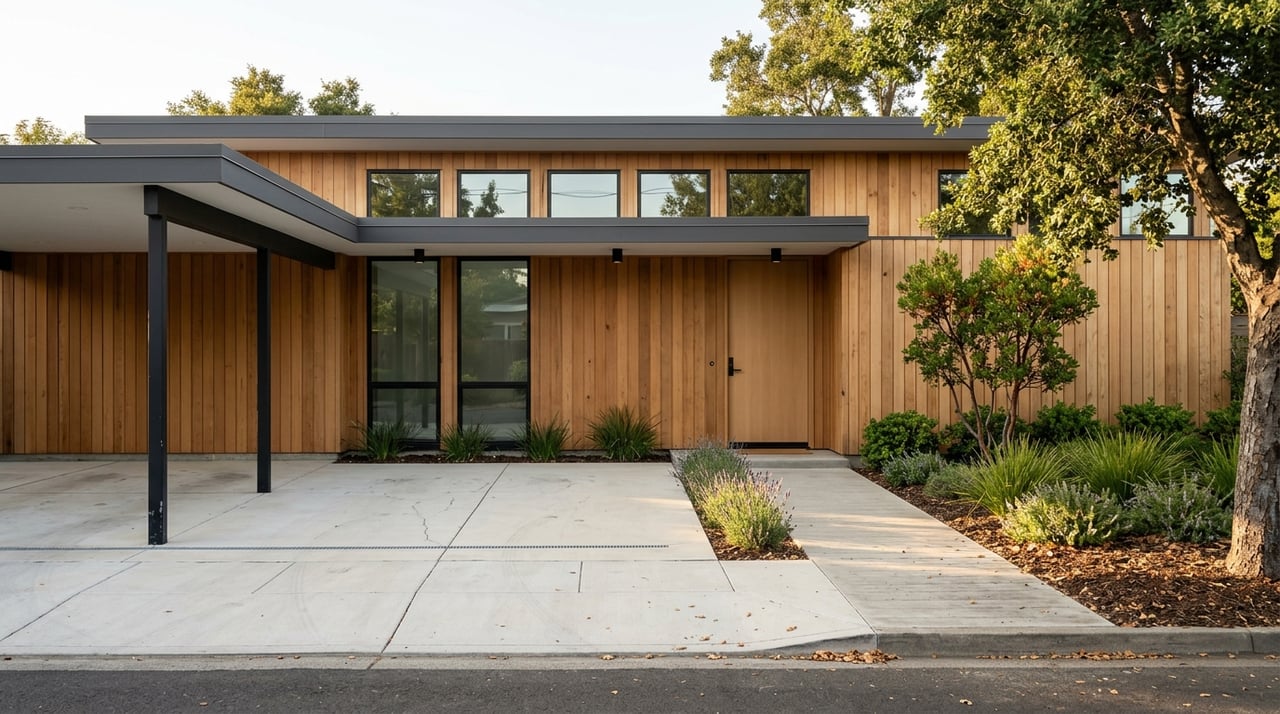
Curious why one Palo Alto street feels full of early California character while another reads as pure mid-century modern? That contrast is part of what makes this city so compelling for buyers and sellers. If you are trying to understand how Palo Alto homes look, live, and evolve over time, this guide will help you see the patterns that matter most. Let’s dive in.
Palo Alto architecture is layered
Palo Alto is not defined by just one home style. The city describes its residential areas as a blend of architectural styles, building materials, scale, and street patterns shaped by different eras of development.
In older neighborhoods, you will often see more traditional street grids and curbside parking. In later neighborhoods, the planning shifts toward Modernist ideas, including curving streets, cul-de-sacs, backyard orientation, courtyard-focused layouts, and more glass connecting the home to the outdoors.
That layered history matters when you are buying or selling. A home’s style in Palo Alto is not only about how it looks from the curb, but also how the lot sits on the street, how rooms connect, and what kinds of updates may fit naturally.
Early Palo Alto home styles
Professorville and early neighborhoods
If you want to understand Palo Alto’s early residential identity, Professorville is one of the clearest places to start. This 65-acre district southeast of downtown includes homes from the city’s first wave of development through the 1930s, set along a regular street grid.
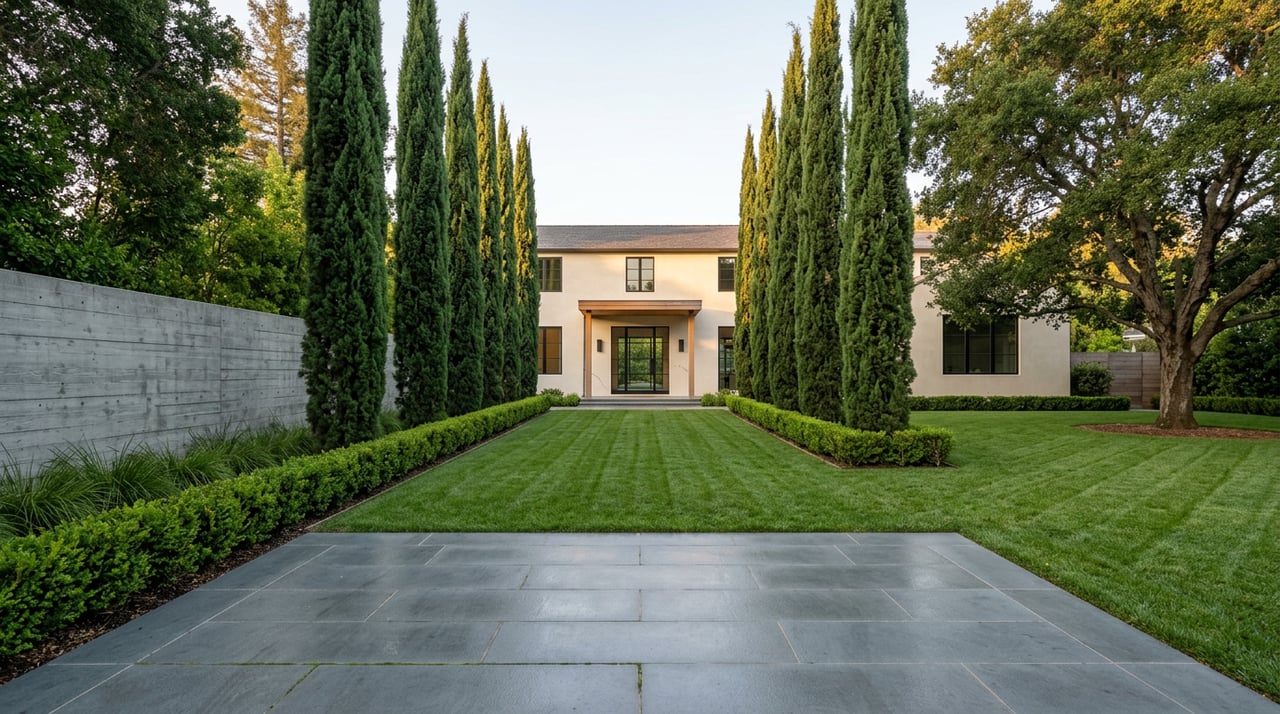
The city identifies Craftsman, Colonial Revival, Mission Revival, and Prairie Style homes as defining styles in this area. That mix creates a streetscape with visible variety, where one block may feel more formal and another more relaxed depending on house size, lot width, and period details.
These homes often read as more street-facing and room-defined than later houses. Based on their era and layout patterns, they tend to feel more structured in daily living than open-plan homes built decades later.
Ramona Street and Spanish influence
Ramona Street tells a slightly different story. This compact one-block commercial district was built between 1924 and 1938 and includes Monterey Colonial and Spanish Colonial Revival buildings, along with some Craftsman influence.
While it is not a large residential district, it helps explain a style language that buyers and sellers still recognize across the broader area. If you are drawn to arches, stucco surfaces, clay-inspired detailing, or more romantic early California forms, this architectural thread is part of Palo Alto’s design vocabulary.
Eichler homes define mid-century Palo Alto
Why Eichlers stand out
Palo Alto is especially well known for Eichler homes. The city says well over 2,000 Eichler residences were built here, and both Green Gables and Greenmeadow are listed as National Register historic districts.
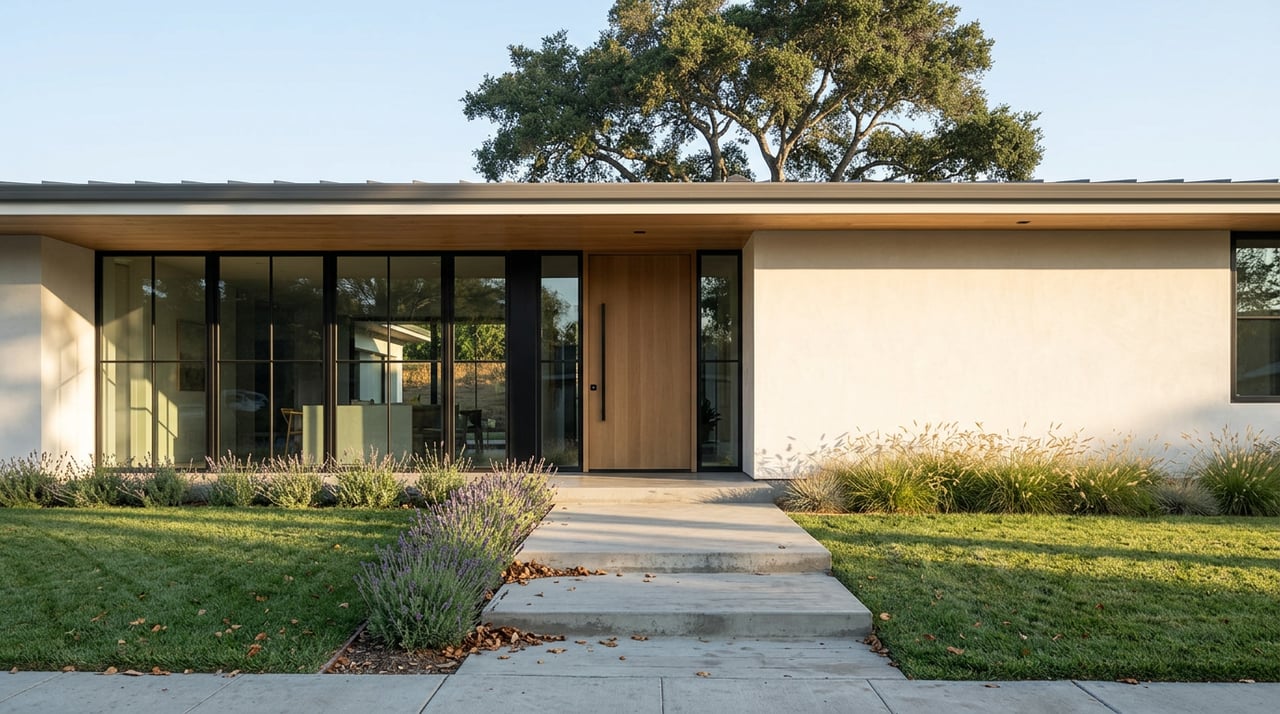
These homes are known for post-and-beam construction, broad eaves, simple wood and concrete-block materials, internal courtyards, and full-height rear glazing. The result is a design that strongly connects indoor rooms with outdoor space.
For many buyers, that is the appeal. Eichlers express a version of California living that feels bright, horizontal, and intentionally connected to the yard rather than turned inward.
How Eichlers tend to live
In everyday use, Eichlers often feel especially open and light-filled. The city highlights their efficient floor plans, courtyard orientation, and overall emphasis on indoor-outdoor living.
In practical terms, that often translates into single-level living, strong backyard connection, and a layout that feels cohesive rather than chopped into separate formal rooms. If you value natural light and a house that lives more across the lot than up in height, this style often stands apart.
What matters when updating an Eichler
If you own an Eichler or hope to buy one, renovations need a thoughtful approach. The city recommends first-story additions before second-story additions, encourages roof forms that match the original home, and notes that enclosing an atrium, courtyard, or carport may add space with less disruption to the home’s massing.
The same guidelines discourage box-like second-floor additions and emphasize compatibility with the original mid-century modern character. In National Register districts, the city also recommends preserving original features when possible and replacing them with closely matching materials and appearances when needed.
For sellers, this is important because buyers often respond well when a home still feels architecturally coherent. In a style-specific neighborhood, updates usually land best when they support the original design instead of fighting it.
Ranch and contemporary homes add flexibility
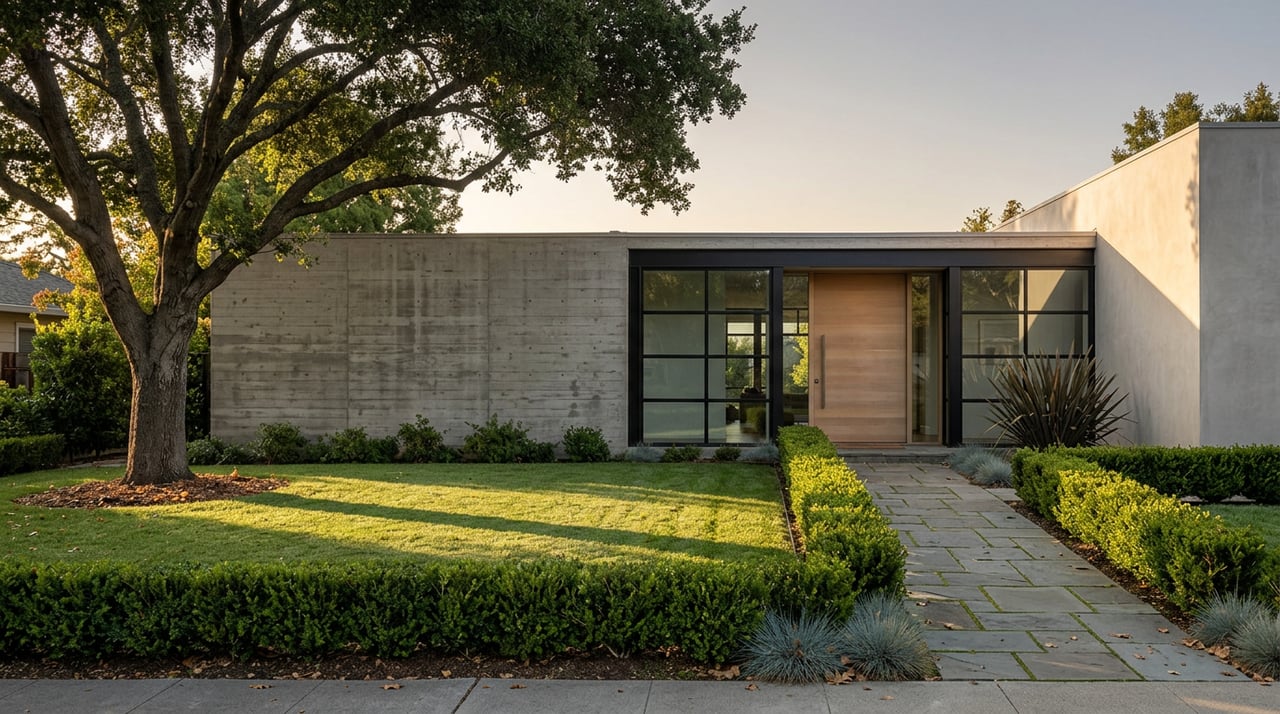
Not every Palo Alto home falls into a historic category. The city notes that some modern-era neighborhoods include California ranch houses alongside Modernist homes, and newer infill construction is often less tied to one classic style.
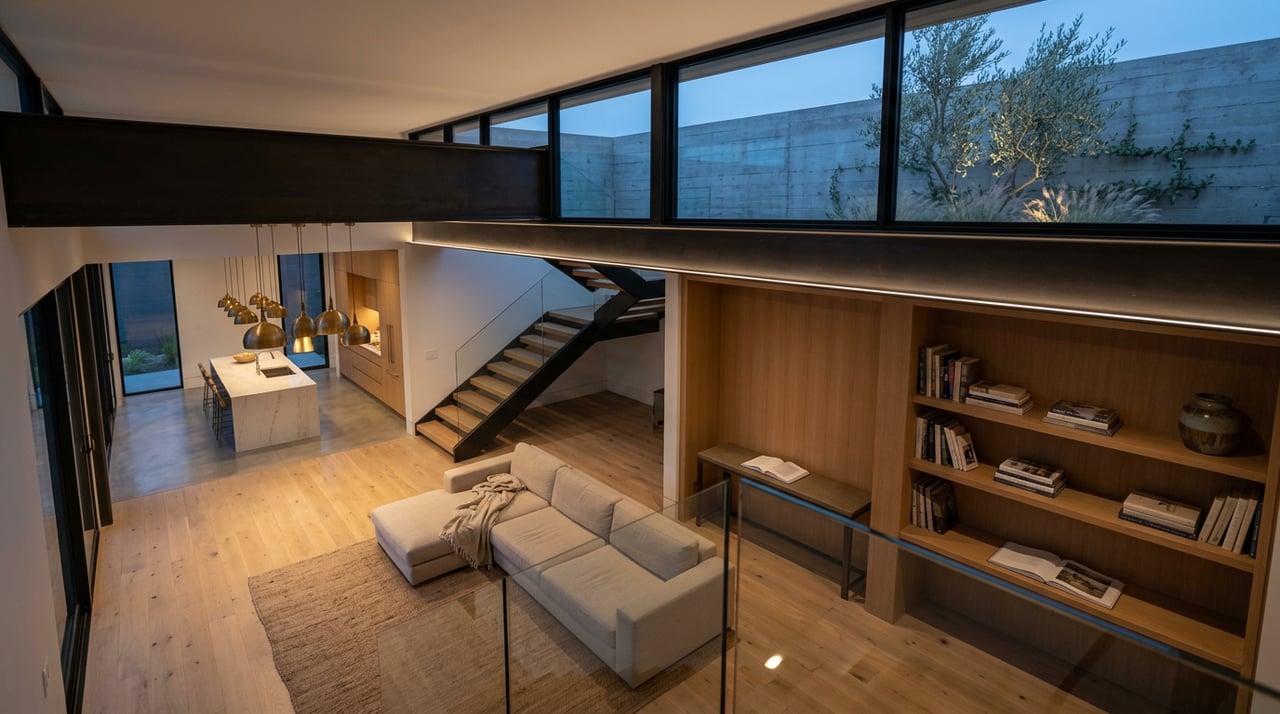
This part of the housing stock can appeal to buyers who want easier adaptation for current routines. Open kitchens, flexible rooms, and updated systems may matter just as much as exterior style, especially for households that want less renovation work after closing.
That buyer mindset fits broader search behavior as well. Research cited in the report shows many buyers value photos, detailed property information, and floor plans during their search, while many new-home buyers want to avoid renovations or aging plumbing and electrical systems.
Lot shape and rules shape the house
Why site context matters in Palo Alto
In Palo Alto, architecture and lot configuration are closely linked. The city’s building permit checklist requires attention to net lot area, floor-area ratio, lot coverage, contextual front setbacks, garage location, tree protection, and daylight-plane documentation.
For new two-story homes and second-story additions of 150 square feet or more, the city applies objective design standards unless the homeowner uses the Individual Review process. That means expansion potential is often about much more than simple square footage.
If you are evaluating a home for future changes, the lot itself can be just as important as the floor plan. Setbacks, tree placement, height limits, and how a garage is positioned may all influence what is realistic.
Expansion is rarely one-size-fits-all
This is one reason two homes with similar sizes can have very different renovation paths. A deeper lot, a different setback pattern, or a layout that allows an atrium or carport conversion may create options that do not exist next door.
For buyers, that means future potential should be evaluated carefully rather than assumed. For sellers, it means a home’s architecture, lot placement, and improvement history should be explained clearly so buyers understand the value beyond the basics.
What buyers notice at resale
In a design-conscious market like Palo Alto, presentation matters. Research in the report notes that 97 percent of members surveyed believe curb appeal is important in attracting buyers, 98 percent believe it matters to buyers, 41 percent of buyers find photos very useful, and 31 percent value floor plans.
That has real implications in a city where architecture is part of the story. A home usually shows best when its landscaping, exterior details, and interior updates feel consistent with the style of the house.
For example, a Craftsman tends to benefit from a presentation that respects its original character, while an Eichler often resonates most when its glass, courtyard, roofline, and indoor-outdoor flow remain visually legible. Contemporary homes, meanwhile, often attract attention when the spaces feel clean, bright, and easy to understand through photos and floor plans.
How to read Palo Alto home styles
If you are house hunting, it helps to look beyond the label. Ask yourself:
- Does the home feel street-facing and formal, or open and yard-oriented?
- Is the lot on a traditional grid or within a curving mid-century layout?
- Do the updates support the original architecture?
- Does the house offer expansion potential within the city’s current rules?
- Will the style still appeal to future buyers when it is time to sell?
If you are preparing to sell, the same questions can guide smart decisions before listing. In many cases, the goal is not to make a home look brand new. It is to make the architecture feel intentional, well cared for, and easy for buyers to understand.
Why architectural clarity matters
Palo Alto buyers are often choosing between very different living experiences. An early-20th-century home may offer charm, period detail, and a more traditional floor plan. An Eichler may offer light, simplicity, and indoor-outdoor flow. A newer rebuild may offer convenience, flexible space, and fewer immediate update needs.
None of those is automatically better. The right fit depends on how you want to live, how much change you plan to make, and how the home’s style aligns with your priorities.
For sellers, that same clarity is a competitive advantage. When a home is positioned with the right architectural story, thoughtful preparation, and strong visual presentation, buyers are more likely to understand its value quickly.
If you are thinking about buying or preparing to sell in Palo Alto, working with someone who understands how architecture, lot constraints, and presentation intersect can make the process far more strategic. For tailored guidance on positioning a character home, Eichler, or contemporary property, connect with Adela Gildo-Mazzon.
FAQs
Which Palo Alto neighborhoods are most associated with early historic home styles?
- Professorville is one of the best-known areas for early Palo Alto homes, with Craftsman, Colonial Revival, Mission Revival, and Prairie Style houses identified by the city.
Which Palo Alto neighborhoods are most associated with Eichler homes?
- Palo Alto has more than 2,000 Eichler homes, and Green Gables and Greenmeadow are identified by the city as National Register historic districts associated with Eichler development.
What features define a Palo Alto Eichler home?
- Key features include post-and-beam construction, broad eaves, simple wood and concrete-block materials, internal courtyards, and full-height rear glazing that connects interior rooms to the yard.
Can you expand a Palo Alto home based on lot size alone?
- No. The city’s permitting framework also considers factors such as net lot area, floor-area ratio, lot coverage, setbacks, garage location, tree protection, and daylight-plane compliance.
How much can a seller change an Eichler without losing its character?
- The city recommends a preservation-minded approach, including matching original roof forms, prioritizing first-story additions, and avoiding box-like second-story additions that disrupt the home’s mid-century modern character.
Do original materials and landscaping matter when selling a Palo Alto home?
- Presentation matters strongly at resale, and homes often show best when architecture, landscaping, and renovations feel coherent rather than disconnected or overworked.