If you follow Atherton headlines, you know a single closing can send “median price” charts soaring. That is the nature of an ultra‑low‑inventory, ultra‑high‑value market where a handful of estates trade each month. If you are trying to make sense of what really drives value here, focus on land, privacy, and the town rules that shape both. This guide breaks down how Atherton works, what top buyers pay for, and how it stacks up against nearby prestige towns. Let’s dive in.
Market snapshot: why numbers swing
Atherton records very few sales in any given month, so medians can whipsaw when one or two trophy estates close. Local coverage of calendar‑year rankings has also noted high‑profile off‑market sales that influence annual figures, which is one reason public medians can feel inconsistent across sources. You will get the clearest picture by tracking the time period attached to any statistic and remembering that private trades are common here. For context on off‑market activity shaping reported rankings, see this local analysis of PropertyShark’s list and headline sales in Atherton’s ZIP code (coverage via RWC Pulse).
One transaction can move the needle. For example, a roughly 2‑acre West Atherton parcel was reported as sold in December 2024 around 18.5 million dollars, which alone would push short‑term medians higher for that month (see the public sold reference on Homes.com). That is why you should pair any data point with its exact source and date when comparing values.
What drives value in Atherton
Lot size and usable acreage
At the top of the market, usable acreage is king. Buyers pay for flat, buildable ground that supports a larger primary residence within the town’s floor‑area and setback rules, plus space for amenities. Atherton’s R‑1A standards cap floor‑area using a formula that often equates to about 18 percent of lot size, with large required yards that preserve generous outdoor privacy. Review the current standards and formulas in the town code’s development table (Atherton Municipal Code 17.32.040).
Privacy, screening, and arrival
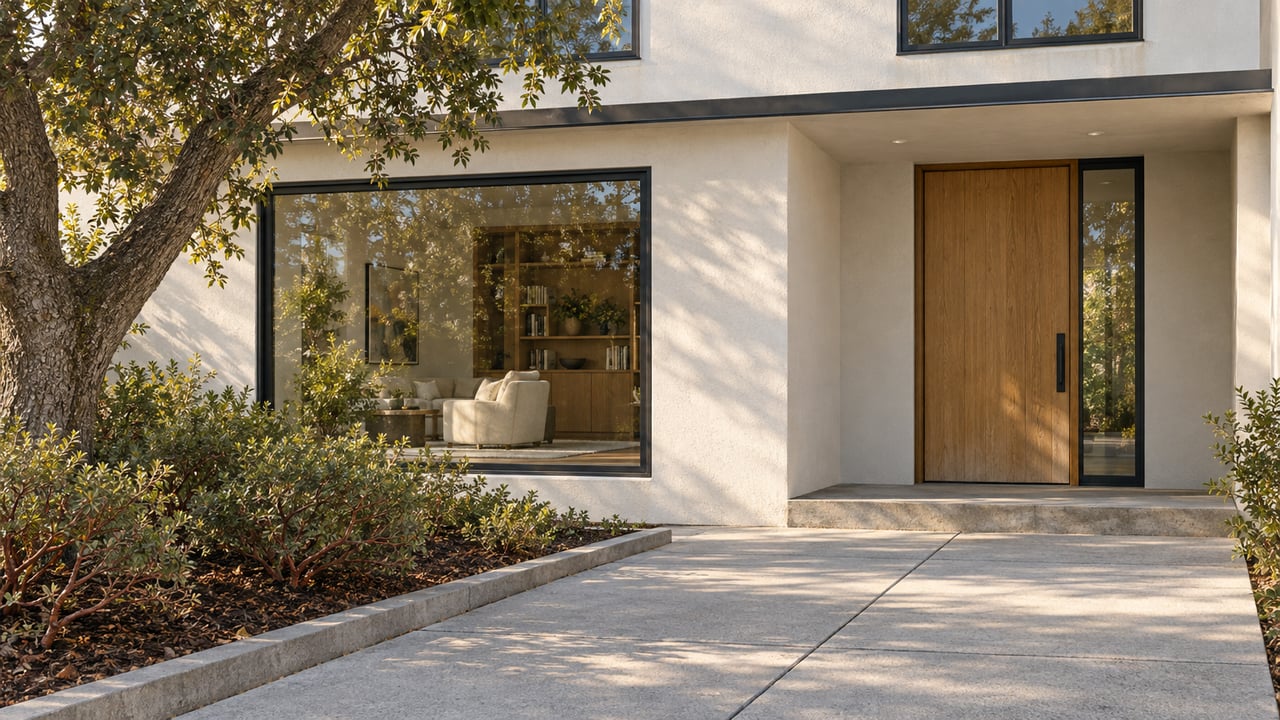
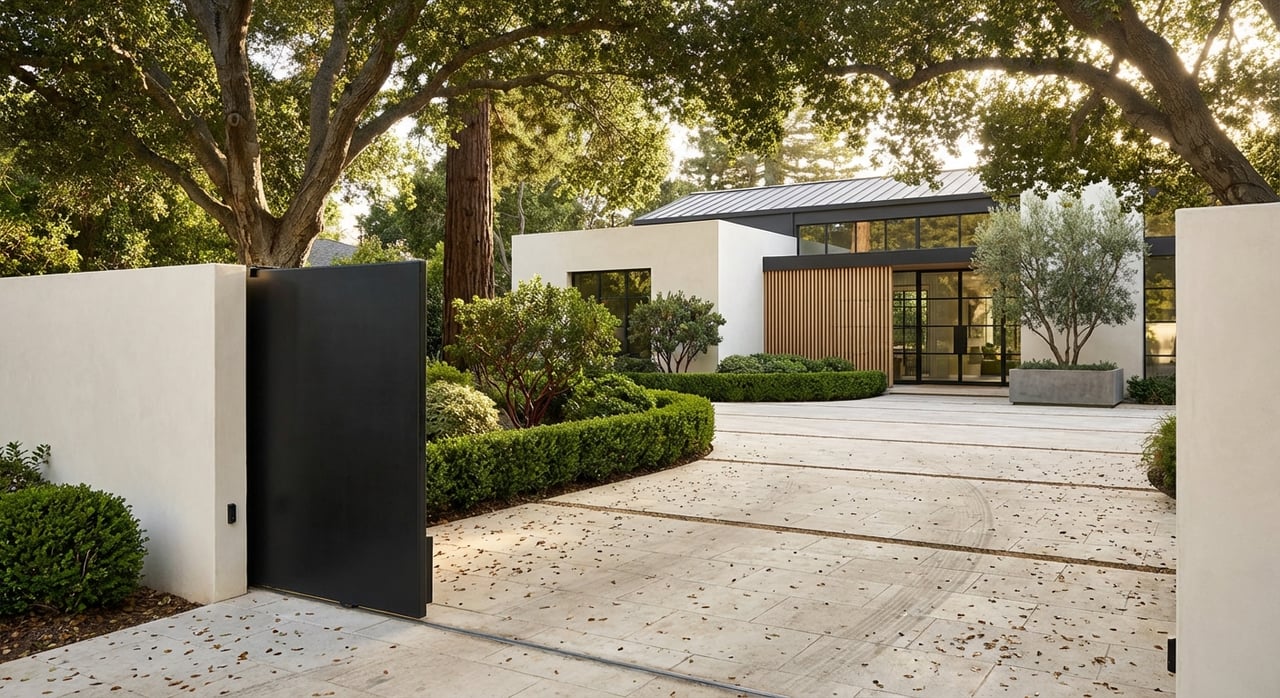
Long drives, gated entries, mature trees, and perimeter hedges are core features buyers prize. These elements are common because town rules allow privacy solutions within specific height and design parameters. Fence, wall, gate, and landscape‑screening standards shape what you can build and how entries are presented in photos and at showings (Atherton Municipal Code 17.46).
Micro‑location within town
Not all one‑acre estates feel the same. Pockets like West Atherton, the Menlo Circus Club area and Walsh Road corridor, Lindenwood, and the central avenues around Holbrook‑Palmer Park differ in lot shape, tree canopy, street character, and proximity to lifestyle anchors. These nuances help explain why two similarly sized parcels can carry different premiums.
Schools, clubs, and daily life
Proximity to Las Lomitas elementary and middle schools, Menlo‑Atherton High, and private campuses such as Sacred Heart Schools and Menlo School often enters buyer conversations. Access to the Menlo Circus Club and other private amenities can also add appeal. Keep in mind that buyers evaluate proximity and convenience; avoid assuming school “quality” without reviewing your own criteria.
The code that protects privacy and scale
Subdivision minimums preserve lot size
Atherton’s subdivision standards set minimum lot areas that protect large parcels in new splits. On low‑slope land, the standard minimum for new lots is generally one acre, which helps maintain the estate feel across neighborhoods. You can read the subdivision table and exceptions in the municipal code (Atherton Municipal Code 16.24.050).
Build envelope limits house size
Development standards in the R‑1A district tie permitted floor area to lot size and require large front and rear yards. The effect is simple: more land equals more privacy and a larger, better‑spaced residence within the allowed envelope. Before you plan a remodel or expansion, confirm the current FAR formula, accessory structure ratios, and yard requirements (Atherton Municipal Code 17.32.040).
Fences, gates, and landscape screening
Atherton regulates fence and wall heights and sets permit triggers for taller gates or entry posts. The code also calls for landscape screening to soften taller elements from public view. These rules influence how sellers stage frontage and how buyers plan post‑close planting for privacy (Atherton Municipal Code 17.46). For recent updates, you can also review the town’s planning archives (Atherton Planning Archive).
Architecture and amenities at the ultra level
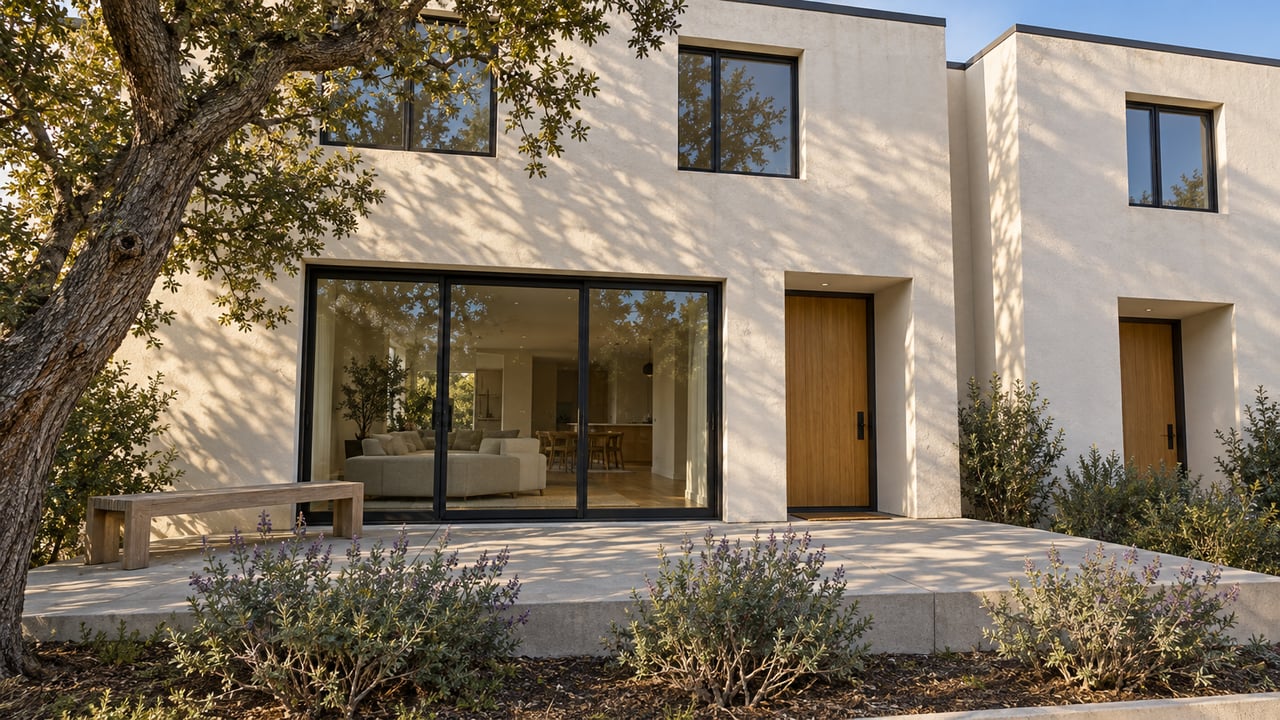
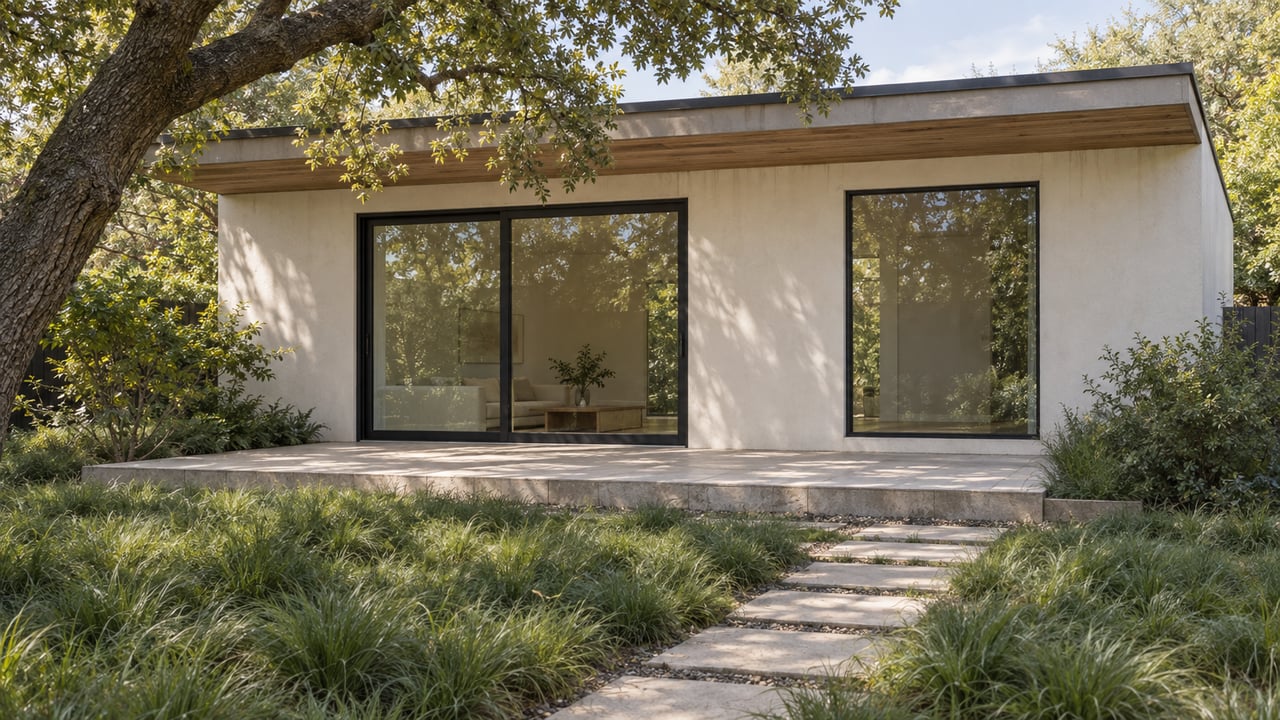
Atherton’s top end spans historic Spanish and Tudor estates, updated traditional mansions, and striking contemporary compounds. High‑value homes often combine multiple lifestyle zones with service quarters for guests or staff. For a feel of the stylistic range and amenity sets, browse representative listings and recent sales snapshots on sites that aggregate local offerings (sample Atherton listings on Homes.com).
Typical features you will see at this level include:
- Gated motor courts and long private drives
- Resort‑style pools, terraces, and outdoor kitchens
- Private gyms, theaters, and flex studios
- Wine rooms or cellars with tasting space
- Guest houses or permitted accessory units
- Smart‑home infrastructure and whole‑property security
How Atherton compares nearby
- Palo Alto. Larger and denser overall, with select enclaves that reach very high prices. The lot pattern differs from Atherton’s estate orientation, so product and street feel are distinct.
- Portola Valley. Rural and hillside by nature, with multi‑acre parcels that favor views and seclusion. Fewer flat lots than Atherton, but exceptional privacy for buyers who want a country setting.
- Woodside. Known for equestrian estates and larger acreage. A strong fit if you prioritize riding facilities and a ranch character over a park‑like suburban setting.
- Hillsborough. Estate neighborhoods with grand homes and generous lots, but a different streetscape and architectural vernacular than Atherton. Calendar‑year rankings often place both towns near the top tier depending on the sample period (PropertyShark market trends).
- Los Altos Hills. Multi‑acre settings with a different proximity profile to southern Silicon Valley job centers. Many parcels trade views for flat yard space compared with Atherton’s one‑acre emphasis.
The bottom line: avoid one‑size‑fits‑all rankings. Always note the dataset and dates attached to any “most expensive” claim, since a few large closings or off‑market trades can shift standings (local ranking context).
Buyer checklist: evaluating an Atherton estate
- Confirm lot area, slope, and easements with a recent survey or title docs.
- Map the buildable envelope using the R‑1A FAR formula and yard setbacks (development standards).
- Distinguish guest houses from permitted accessory units; verify permits and status with the town.
- Review fence, gate, and landscape‑screening rules before planning frontage changes (fence and screening standards).
- Weigh micro‑location: street character, lot shape, and proximity to schools, parks, and private clubs.
- Expect private showings and limited public marketing at the top tier. Ask your agent about upcoming off‑market opportunities.
Seller notes: positioning your property
- Lead with land and privacy. Highlight usable acreage, mature canopy, and how the site plan separates living areas and amenities.
- Showcase permitted scale. If your property sits near the top of the allowed FAR, make that clear to help buyers see the full value.
- Prepare the frontage thoughtfully. Ensure gates, fences, and hedges present well and align with town rules (screening and entry guidance).
- Market with intention. Trophy properties often sell via quiet outreach to vetted buyers; a dual path of private previews and public exposure can be effective.
- Price with precision. Because a single closing can skew medians, use hyper‑local comps by micro‑neighborhood and lot type rather than broad averages.
Ready to navigate Atherton with discretion and data? Connect with Adela Gildo-Mazzon for a confidential strategy session tailored to your goals.
FAQs
Are all Atherton lots one acre?
- New subdivisions on low‑slope parcels generally must meet a one‑acre minimum, but legacy pockets include smaller lots that predate current rules. See the subdivision standards for details and exceptions (AMC 16.24.050).
How much of an Atherton price is the land versus the house?
- At the ultra level, land and privacy often dominate value. FAR limits and large setbacks make flat, usable acreage scarce; a single land sale can illustrate the premium, such as a roughly two‑acre parcel that traded around 18.5 million dollars in Dec 2024 (Homes.com sold reference; see FAR rules at AMC 17.32.040).
What features do top Atherton buyers want most?
- Long gated drives, mature screening, flat acreage for amenities, proximity to named schools and private clubs, guest or staff quarters, and turnkey systems like smart‑home and security infrastructure.
Should I expect a bidding war in Atherton?
- Sometimes for rare, well‑priced trophy estates. Many high‑end trades are private or invitation‑only, and days‑on‑market vary by price band and product type, so strategy matters more than headline medians (local ranking context).
How do Atherton’s fence and gate rules affect privacy plans?
- The town caps typical fence and wall heights and requires screening for taller elements, with permits for certain gate features. Review the standards before you modify frontage or install new screening (AMC 17.46).