Choosing between Sunnyvale and Mountain View can feel like picking the “right” version of Silicon Valley living. You want great food, easy commutes, green space, and a neighborhood vibe that fits your routine. In this guide, you’ll compare both cities by downtown energy, parks, transit, housing feel, and practical weekend test drives so you can decide with confidence. Let’s dive in.
Sunnyvale vs Mountain View at a glance
- Downtown and dining: Mountain View’s Castro Street concentrates restaurants and nightlife, which keeps evenings lively. Sunnyvale’s Murphy Avenue is more low key, with additional dining spread along El Camino Real.
- Parks and recreation: Mountain View’s Shoreline area offers a regional park feel and draws big events nearby. Sunnyvale leans into quieter baylands trails and a strong network of neighborhood parks.
- Housing and density: Mountain View has more mid to high density near transit and North Bayshore. Sunnyvale features more single‑family neighborhoods with multifamily options along major corridors.
- Commute orientation: Both hug US 101 and have Caltrain access. Mountain View often supports shorter walk or bike commutes near the Transit Center, while Sunnyvale’s residential pattern can mean a quick drive or bike ride to downtown or the station.
Downtown vibe and dining
Mountain View: Castro Street energy
Castro Street is a pedestrian‑friendly corridor with a dense mix of restaurants, cafes, and bars. It is the social hub for after‑work meetups and weekend dining. The North Bayshore area near Shoreline includes major campuses and newer mixed‑use pockets, which add weekday daytime activity. For culture and tech history, the nearby Computer History Museum is a regional draw.
Sunnyvale: Murphy Avenue and El Camino
Historic Murphy Avenue is smaller and more relaxed, with independent eateries, pubs, and community‑focused events. You will find a wide variety of cuisines along El Camino Real and other corridors, including many South Asian and East Asian options. Evenings feel calmer than downtown Mountain View, which appeals if you prefer a quieter pace after work.
Parks, trails, and outdoor time
Mountain View: Shoreline and trail links
Shoreline Park delivers big‑sky open space with a lake, trails, and water activities. It is popular for long bike rides, walks, and weekend picnics. Stevens Creek and Permanente Creek trail networks help you bike off street across town and toward open space.
Sunnyvale: Baylands and neighborhood greens
Sunnyvale Baylands Park and nearby baylands open space offer flat trails, birdwatching, and long‑distance cycling routes with a quieter feel. Across the city, you will find many neighborhood parks, playgrounds, and recreation centers for daily outdoor use.
Commute and transit reality
Highways and driving
Both cities sit along US 101 for north to south travel. CA 85 and I 280 provide alternatives for different segments of the Valley, and CA 237 connects to the East Bay approach. For Oakland, Hayward, or Berkeley, most drivers use SR 84 over the Dumbarton Bridge to I 880, or head north toward the Bay Bridge. Peak congestion can be significant, so plan a test drive during your typical commute window.
Trains, buses, and shuttles
Caltrain serves both cities with frequent service between San Jose and San Francisco. Check the Mountain View Caltrain Station and the Sunnyvale Caltrain Station to compare access and parking. VTA buses and light rail connect local trips, and the VTA Mountain View Transit Center links multiple modes. There is no direct BART in either city, so transfers at Millbrae or other nodes add time. Many tech employers run private shuttles that connect neighborhoods to Peninsula and San Francisco offices.
Commute tradeoffs to expect
If you live close to Castro Street or the Transit Center, you may be able to walk or bike to work or transit more easily in Mountain View. In Sunnyvale, the more residential layout usually means a short drive or bike ride to downtown, Caltrain, or major corridors. Either way, timing is everything. Peak periods on US 101 are very busy and east to west express public transit is limited, so test your routes.
Housing, walkability, and neighborhood feel
Mountain View: Mixed density near transit
You will find a mix of single‑family neighborhoods with higher density apartments and mixed‑use projects near the Caltrain station and North Bayshore. Demand is strong around downtown and Shoreline, given proximity to employers and amenities.
Sunnyvale: Suburban streets and variety
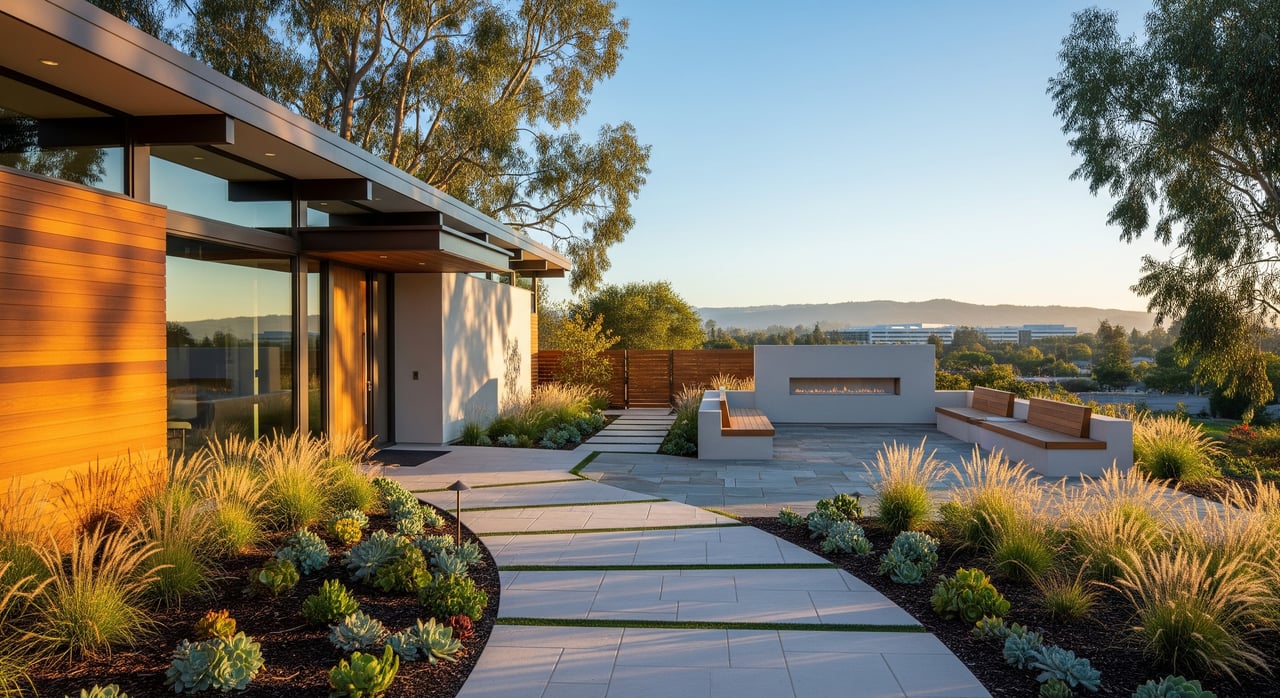
Sunnyvale’s housing leans suburban, with many single‑family homes that range from mid‑century ranch styles to later tract homes. Multifamily and townhome developments cluster near transit and along major corridors like El Camino Real.
Everyday convenience on foot or bike
Mountain View’s downtown and the area around the Transit Center are highly walkable and bikeable, which can simplify daily errands. Sunnyvale has walkable pockets around Murphy Avenue and certain commercial nodes, but many errands may be a short drive. Both cities offer bike lanes and trail links for longer rides.
Weekend test routes you can copy
Half‑day in Mountain View
- Morning: Start with coffee on Castro Street and do a block‑by‑block walk to gauge midday energy and food variety.
- Midday: Head to Shoreline Park for a 45 to 60 minute loop on the lake paths. Note parking, crowds, and wind conditions.
- Afternoon: Drive or bike through residential streets south of downtown to sample lot sizes and architectural styles. Check distance to the Transit Center.
- Evening: Dinner on Castro and observe the night scene, parking demand, and Caltrain frequency.
Half‑day in Sunnyvale
- Morning: Breakfast on Murphy Avenue and stroll the core. Note street parking, small‑business mix, and weekend crowd patterns.
- Midday: Visit Baylands Park for a short hike or birding walk and check daylight access and parking.
- Afternoon: Tour a few representative single‑family neighborhoods to compare street widths, garage access, and overall curb appeal. Wrap with a local brewery or family‑friendly restaurant.
Full‑weekend comparison plan
- Day 1 in Mountain View: Start at the Transit Center to time trains. Lunch and a quick tour on Castro Street. If available, visit a newer apartment or mixed‑use building in North Bayshore to gauge proximity to employers.
- Day 2 in Sunnyvale: Walk Murphy Avenue, then the farmers market if open. Drive the Baylands and a few target neighborhoods. During late afternoon, run a sample commute to your employer or transit hub.
Practical tour tips
- Time your drives during a real commute hour so you can experience US 101, CA 85, I 280, and key arterials under normal load.
- Take a Caltrain or VTA trip during the commute window you expect to use. Crowding and frequency vary by time of day.
- If you like downtown Mountain View, check event calendars near Shoreline to be aware of concert nights that can affect traffic and parking.
- Check on‑street parking near homes you like and evaluate garage access, especially if you have multiple vehicles.
- Do a 20 to 30 minute walk from any shortlist home to a coffee shop, grocery, and transit stop to test everyday convenience.
- If your employer runs shuttles, confirm whether nearby stops include your potential addresses.
Which city fits you?
- Choose Mountain View if you want concentrated downtown energy, highly walkable nights and weekends, and the option to bike to transit or nearby offices.
- Choose Sunnyvale if you prefer quieter residential streets, a wide range of dining along El Camino Real, and easy access to baylands trails and neighborhood parks.
Both cities deliver strong access to Silicon Valley jobs, practical transit options, and a solid mix of urban and suburban amenities. Your best match comes down to how you live between 6 pm and 9 am. Try the tours above and trust your daily rhythm.
Next steps
If you are weighing homes in Sunnyvale or Mountain View, you do not have to decide alone. I can help you compare commute realities, fine‑tune a weekend scouting plan, and shape a competitive offer strategy that fits your goals. Ready to explore with a local advisor by your side? Connect with Adela Gildo-Mazzon for a tailored neighborhood consult.
FAQs
What is the main difference between downtown Mountain View and Sunnyvale?
- Mountain View’s Castro Street concentrates restaurants and nightlife with later evening activity, while Sunnyvale’s Murphy Avenue is smaller and calmer with more dining spread along El Camino Real.
How do Caltrain options compare in both cities?
- Both cities have stations with frequent service. The Mountain View Caltrain Station also connects directly to VTA’s Mountain View Transit Center, and Sunnyvale’s station offers similar north to south access.
Where can I find larger open space or long bike rides nearby?
- Mountain View’s Shoreline area offers expansive trails and lake loops, while Sunnyvale’s baylands provide flatter routes, birdwatching, and long‑distance cycling toward the bay.
How should I plan if I commute to Oakland, Hayward, or Berkeley?
- Most drivers use SR 84 over the Dumbarton Bridge to I 880. Drive times vary widely at peak periods, so do at least one test commute during your typical travel hour.
Are both cities walkable for daily errands?
- Mountain View’s downtown core is highly walkable and bikeable, especially around the Transit Center. Sunnyvale has walkable pockets near Murphy Avenue and commercial nodes, with many errands a short drive or bike ride.
Do Shoreline Amphitheatre events affect living nearby in Mountain View?
- Large concerts can bring traffic, parking demand, and noise late into the evening. If you are considering nearby homes, check event schedules and visit during an event night to evaluate the impact.