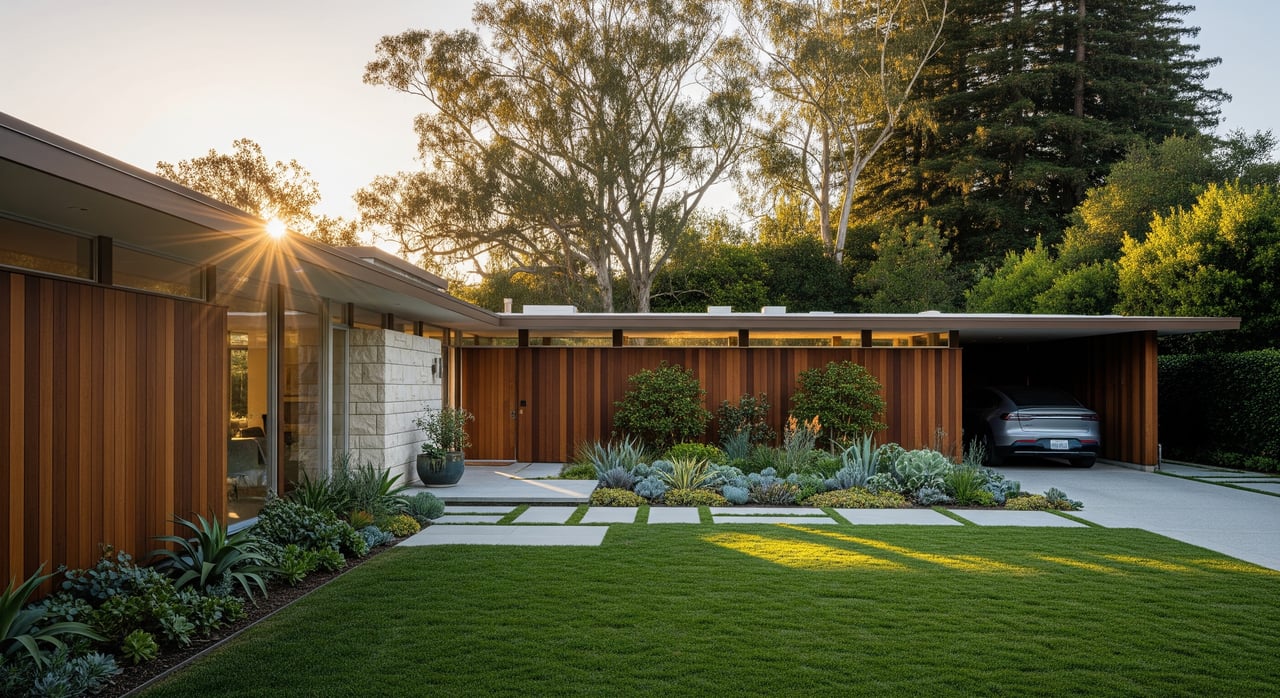
Thinking about calling Palo Alto home? You’ve likely heard the buzz about the tech scene, the schools, and the tree‑lined streets, but you want a real picture of day‑to‑day life. You’re weighing commute times, neighborhood vibes, outdoor space, and how far your budget goes. In this guide, you’ll learn how different parts of town feel, how people get around, where locals gather, and what practical factors to consider. Let’s dive in.
Palo Alto at a glance
Palo Alto sits on the Peninsula between San Francisco and San Jose, with Menlo Park to the north and Mountain View to the south. It is part of Silicon Valley and blends a college‑town feel from Stanford with an innovation‑driven economy. The community is highly educated, diverse, and active in local issues.
Housing costs are among the highest in the Bay Area. Prices move quickly when the market shifts, so rely on live data and recent sales rather than old headlines. For city services, parks, and planning resources, the City of Palo Alto is a helpful starting point.
Neighborhoods and daily routines
Your neighborhood choice shapes your routines, from the morning commute to weekend errands. Here is how daily life often feels across key areas.
Downtown and University Avenue
If you prefer to walk to dinner, coffee, and shops, Downtown offers an urban, boutique setting. Evenings are lively, and Caltrain is a short walk for north‑south trips.
Homes here include older single‑family houses, small apartment buildings, and condos. You trade bigger yards for convenience, amenities, and a quicker car‑free commute option.
California Avenue and Midtown
California Avenue has a village feel with cafes, restaurants, and a weekly farmers market. The Cal Ave station provides a direct link to Peninsula job centers.
Midtown is popular if you want a neighborhood identity with easy access to groceries and parks. Housing ranges from single‑family homes to small condo communities, attractive to buyers who value both schools and transit.
Professorville and Old Palo Alto
Close to Stanford and Downtown, these historic neighborhoods offer tree‑canopied streets and architecturally distinctive homes. You get a traditional residential feel and established blocks.
Lots are often larger and homes are typically higher priced. Daily life centers on quiet streets, short drives or bike rides to shops, and proximity to cultural events on or near campus.
South Palo Alto: Barron Park, Fairmeadow, and beyond
South Palo Alto leans more residential and relaxed. You will find a mix of mid‑century homes, some newer infill, and a bit more breathing room.
Many residents value the quick access to parks and open space to the west. Commutes by car are common, though bike routes and Caltrain access from nearby stations still play a role.
Crescent Park and nearby enclaves
In areas like Crescent Park and Midtown North, you are close to Downtown or Cal Ave while staying in quiet residential zones. Daily routines include short drives or bike trips for errands and dining.
If school assignment matters to you, note that boundaries can vary block to block. Always verify current maps before making decisions.
Stanford‑adjacent areas
Near campus you’ll notice more rentals and an academic rhythm tied to the university calendar. Expect strong demand from students, researchers, and visiting faculty.
Living here puts you close to Stanford’s cultural, educational, and medical resources. Check campus event listings at Stanford University to get a feel for what is nearby.
Schools and education
Palo Alto Unified School District (PAUSD) serves most of the city’s K–12 students and is widely recognized for strong academics and a robust range of extracurriculars. School boundaries and enrollment rules can change, so always review current information on the PAUSD site.
Private school options exist in Palo Alto and neighboring cities. Charter and alternative choices are more limited than in large urban districts. Preschool and childcare spots often fill early, so planning ahead is common.
If schools are a top driver, factor boundary maps and potential transfers into your home search timeline. Many families also plan for activity sign‑ups that can have waitlists.
Getting around
Most residents use a mix of driving, transit, biking, and walking. Your commute will depend on where you live and where you work.
- Driving: US‑101 and El Camino Real are the main arteries. Peak‑hour congestion is typical in Bay Area corridors, so test your route at the time you would travel.
- Caltrain: The city has two key stations, Palo Alto and California Ave. Caltrain connects directly to San Francisco, Mountain View, and San Jose. Check schedules and service levels at Caltrain.
- Buses and shuttles: Regional options include VTA to the south and east and SamTrans to the north. Many employers run private shuttles from Peninsula stations.
- Biking and walking: Flat terrain and bike lanes make local trips practical. Downtown and Cal Ave are the most walkable hubs.
Parking rules vary by neighborhood, with some residential permit zones. In older areas, garages may be smaller, so plan for street parking if needed.
Parks, dining, and community life
You have easy access to nature, community programs, and a wide dining scene.
- Baylands Nature Preserve: A large marshland on the Bay, popular for walking, cycling, and birding.
- Foothills Nature Preserve: Wooded hills with hiking and scenic overlooks west of the city. Check the City of Palo Alto for current access guidelines and hours.
- Rinconada Park and Community Center: A central hub with a pool, playgrounds, and classes for all ages.
The restaurant mix ranges from casual cafes to upscale dining. University Avenue and California Avenue both host regular events, and Cal Ave’s weekly farmers market is a local favorite. Cultural fixtures include city arts programming, the public library system, and Stanford lectures and performances.
Nightlife is more low‑key than big urban centers. Most evenings revolve around dinner out, a performance, or a community event.
Cost, services, and regulations
Palo Alto’s cost of living is high across housing, utilities, groceries, and services. Property taxes are governed by California rules such as Proposition 13, which moderates annual increases for many owners, but total costs still add up.
If you plan renovations, be aware of local processes for tree removals, design review, and historic preservation. Accessory dwelling units are more common due to state and local policy changes. For planning and permits, start with the City of Palo Alto.
The city generally experiences lower violent crime than national averages, with property crime a more frequent category typical of affluent suburbs. For specifics, review recent police reports and neighborhood data before you decide. Disaster readiness is part of Bay Area life, so budget for insurance and basic preparedness.
Nearby comparisons
Choosing between Peninsula cities often comes down to tradeoffs in price, housing type, commute, and amenities.
Menlo Park
Next door to the north, Menlo Park shares proximity to Stanford and has a strong corporate presence nearby. Neighborhood feel and pricing often resemble central Palo Alto in many areas.
Mountain View
To the south, Mountain View has more transit‑oriented development and a broader range of condos and newer multifamily options. It is a fit if you value more housing variety with a lively downtown.
Redwood City
Farther north along the Peninsula, Redwood City’s revitalized downtown brings dining and nightlife. Many neighborhoods remain more affordable compared with central Palo Alto, depending on location.
Cupertino, Sunnyvale, and San Jose
These South Bay cities often offer different commute patterns for Peninsula jobs. School districts and housing stock vary by neighborhood, so align your search with your commute and priorities.
How to choose your fit
- Visit Downtown and Cal Ave on weekdays and weekends to compare the vibe.
- Ride your actual commute during peak hours by car or Caltrain.
- Check current PAUSD boundary and enrollment details on the PAUSD site.
- Walk the parks and open spaces that will anchor your weekends.
- Set your budget with total monthly costs in mind, including taxes, insurance, and potential HOA fees.
- Tour a mix of homes to see what tradeoffs feel right, from condos near transit to larger lots in quieter pockets.
If you want a quick orientation, local context, and a smart plan to compete, a neighborhood‑savvy advisor can save you time.
Ready to explore homes?
When you are ready to refine neighborhoods, confirm school options, and stress‑test your commute, partner with a local expert who knows every block. For private tours, a data‑driven offer plan, or a discreet sale with Compass Concierge support, connect with Adela Gildo‑Mazzon. Request a Confidential Home Valuation or ask for a buyer strategy session to get started.
FAQs
Is Palo Alto family‑friendly if I am moving with kids?
- PAUSD and city programming are a major draw, and parks and activities are plentiful. Verify current school boundaries and enrollment details on the PAUSD site.
How walkable is Palo Alto for daily errands?
- Downtown and California Avenue are the most walkable hubs. Other neighborhoods are more car‑oriented, though bike routes make local trips practical.
Can I commute to San Francisco without a car from Palo Alto?
- Yes. Caltrain from the Palo Alto or California Ave stations provides a direct route north. Check schedules and travel times at Caltrain.
What housing types are more realistic for first‑time buyers?
- Condos, townhomes, and smaller single‑family homes or fixer properties are often the entry point, depending on market conditions and location.
How competitive is the Palo Alto housing market right now?
- The market is historically competitive, with fast sales during active periods. Track real‑time trends and tour early so you can move quickly when the right home appears.